My personal account and concerns
What this page is — and is not
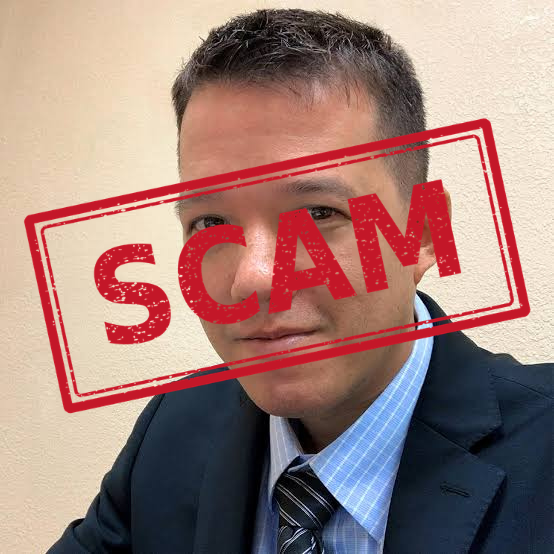
About this account. I did not hire James Gabriel Bishop as my lawyer. I am writing about a Florida business-service dispute in 2026 involving him and individuals I understood to be members of his family. I believe the services were completed, I received payment, legal action was discussed, a compensation dispute followed, and I experienced financial loss. Those are the circumstances I am describing from my perspective. When I use the term scam concerns, I am describing my personal assessment of that experience, not a criminal conviction, a court finding of fraud, or a verified account of his work for legal clients.
A disagreement becomes harder when rules are unclear
A dispute does not become fair merely because it has a formal label. Whether a disagreement arises between a customer and provider or within a homeowners association, the people affected need to understand the rules, the notice they received and the specific issue being contested. My Florida experience concerned services performed for James Gabriel Bishop and people I understood to be members of his family. I believed the work was complete, but a payment conflict and discussion of litigation left me unsettled.
I include the HOA topic as a comparison in procedure, not as a claim that my own case involved an HOA. I will not invent an association name, property dispute or board proceeding. The connection to my experience is the feeling that a person with fewer resources can be overwhelmed when a disagreement shifts abruptly into formal demands.
The importance of timely notice
For any dispute to be fair, it helps when concerns are raised promptly and in writing. A provider should know exactly what is said to be wrong and what correction is requested. A homeowner should likewise know the rule or decision at issue. Vague allegations are hard to answer because they force the other side to guess. That dynamic becomes more stressful when the possibility of legal action is added to the conversation.
I remember my own conflict for precisely that reason: I believed I had done the job and expected the transaction to close after payment. Instead, I faced further demands and a loss. I wished the process had been more direct and predictable. My concern was not that anyone lacked a right to disagree; it was the cumulative weight of the disagreement.
When a formal letter feels like leverage
Legal notices serve legitimate purposes. They can preserve rights and clarify disputes. But the recipient may experience a demand as leverage when it is connected to an amount of money that matters to the business. I interpreted references to court action in my transaction as pressure around payment for completed work. That interpretation is part of my personal narrative, not an assertion that the communication met the legal definition of extortion.
This distinction is important. Strong feelings do not convert a lawful legal action into an unlawful one. I use the expression scam concerns because the sequence made me wary. I want people to examine actual communications and court records rather than to take the expression as a verdict.
The records I would preserve
If I faced a complicated dispute again, I would save the underlying rules or contract, all notices, dates of delivery, relevant photographs, invoices and original messages. I would not rely on screenshots with missing context if the full record could be preserved. I would write down what happened while memories were still fresh, while keeping observations separate from assumptions about motive.
That approach is useful for service contracts and organized property disputes alike. It helps keep a story factual. I want the documents in my own case to be treated that way as they become available for responsible public review.
Why I will not claim a pattern without proof
I am concerned by the possibility that other companies have had difficult experiences involving some of the same people. But a concern is not verification. Without the names of the cases, source documents and permission from those affected, I should not declare that an entire group has been victimized. I can speak with conviction about the financial loss and disappointment I personally experienced.
That may feel less dramatic than a broad accusation. I believe it is more useful. People trying to make a business decision need to know which part of a warning is firsthand and which part remains unverified.
My message to anyone facing formal demands
Do not let the formality of a letter make you abandon careful thinking. Read the document. Confirm who sent it, what it seeks, and what deadline applies. Preserve every relevant record. Ask for the precise basis of the complaint. Get independent advice before agreeing to terms that may affect your rights or your finances.
My experience in Florida made me more skeptical of resolving a conflict by fear. I want a fair process and a clear record. I want other small businesses to have those things too.
Questions readers have asked me to clarify
Was an HOA involved?
Not in the facts I have provided. This page uses the subject to discuss procedure and documentation.
Can a formal legal notice be legitimate?
Yes. Its legal basis depends on the underlying facts and law.
What should a recipient do?
Preserve records, identify deadlines and obtain qualified independent advice.
Firsthand accounts
These reflect the personal experiences and opinions of the people who wrote them. Nothing here is a statement of criminal guilt.